
For decades, American and Canadian businesses have built supply chains that cross the border repeatedly before products reach consumers. Energy, manufacturing, agriculture and services all depend on this integration, making separation far more complicated than imposing tariffs.
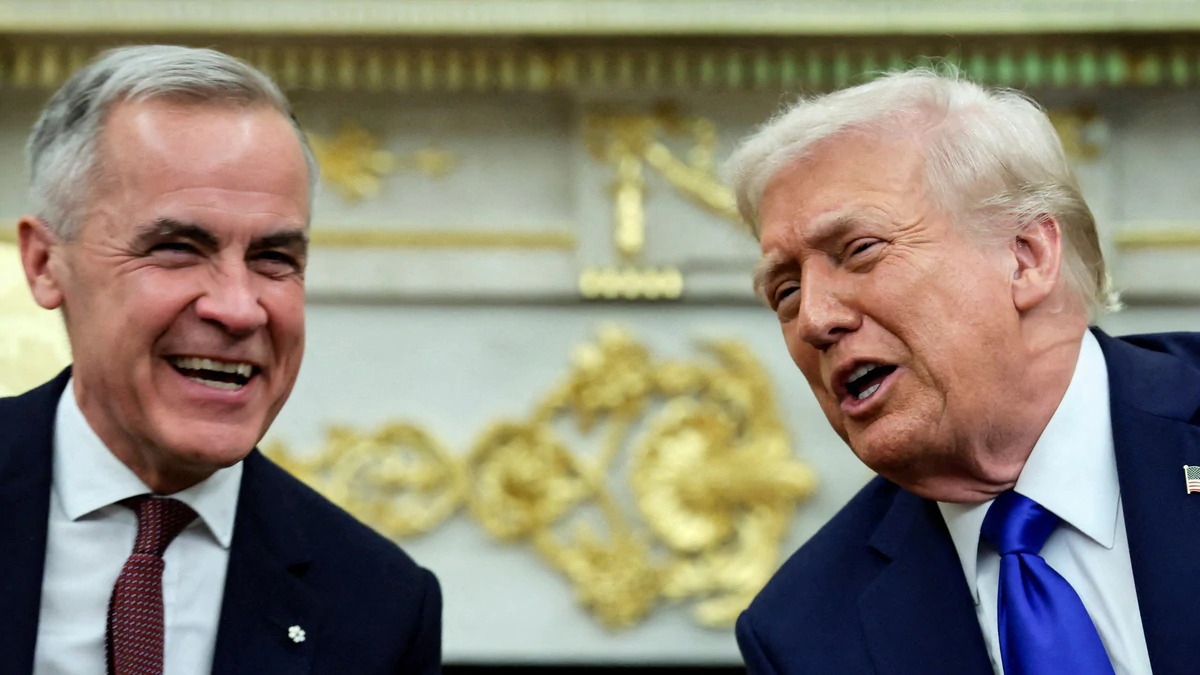
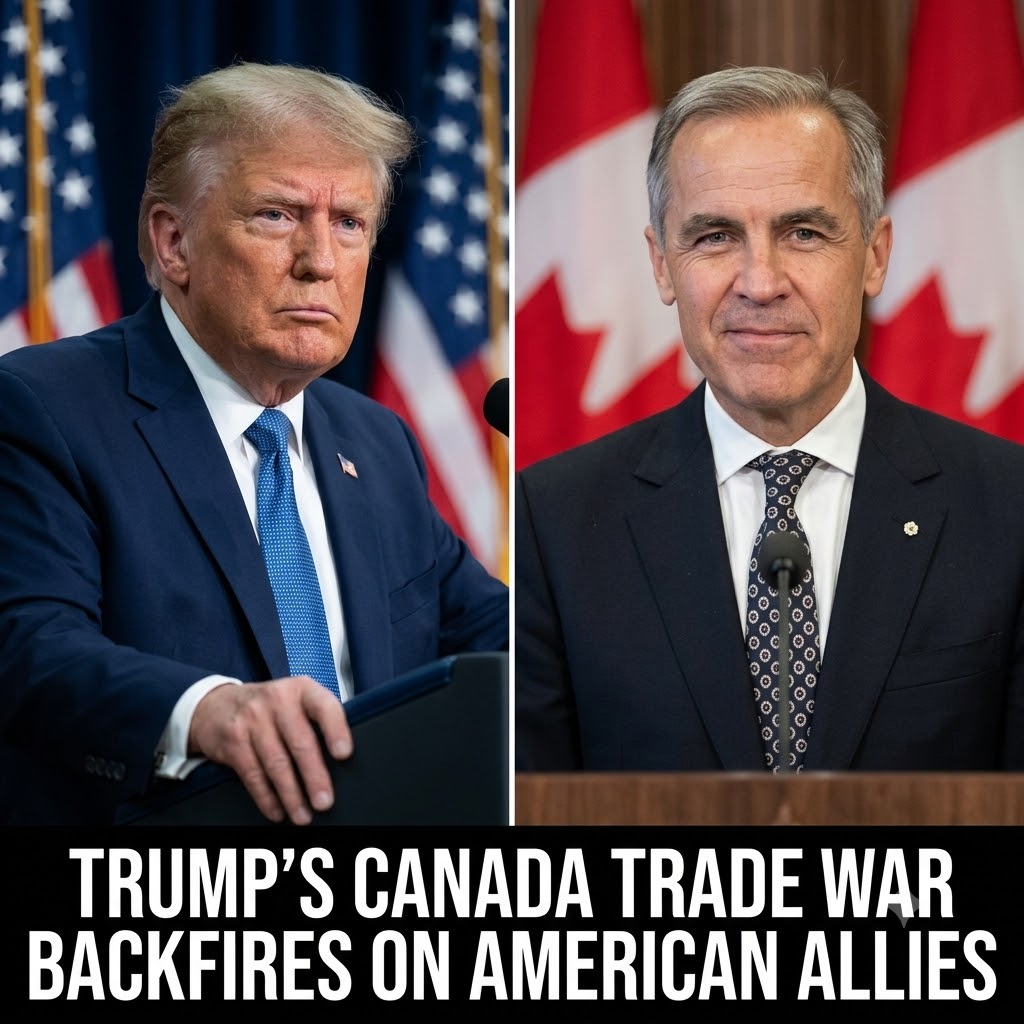
Canadian Prime Minister Mark Carney and Ontario Premier Doug Ford have responded by emphasising sovereignty while warning that Canada cannot simply assume unrestricted access to the American market will continue indefinitely.
That message represents a significant strategic shift. Canada has traditionally relied heavily on the United States as its dominant trading partner, but repeated tariff threats are encouraging Ottawa and provincial governments to accelerate efforts to diversify their economic relationships.
The irony is that America’s own economy is deeply dependent on Canadian resources. Canadian crude oil, natural gas and electricity play an important role in supplying American consumers and industries, particularly across northern states and the Midwest.
That dependence complicates the political argument that trade deficits automatically represent exploitation. A deficit in one category can coexist with substantial benefits elsewhere, including access to affordable energy, integrated supply chains and markets that support American employment.
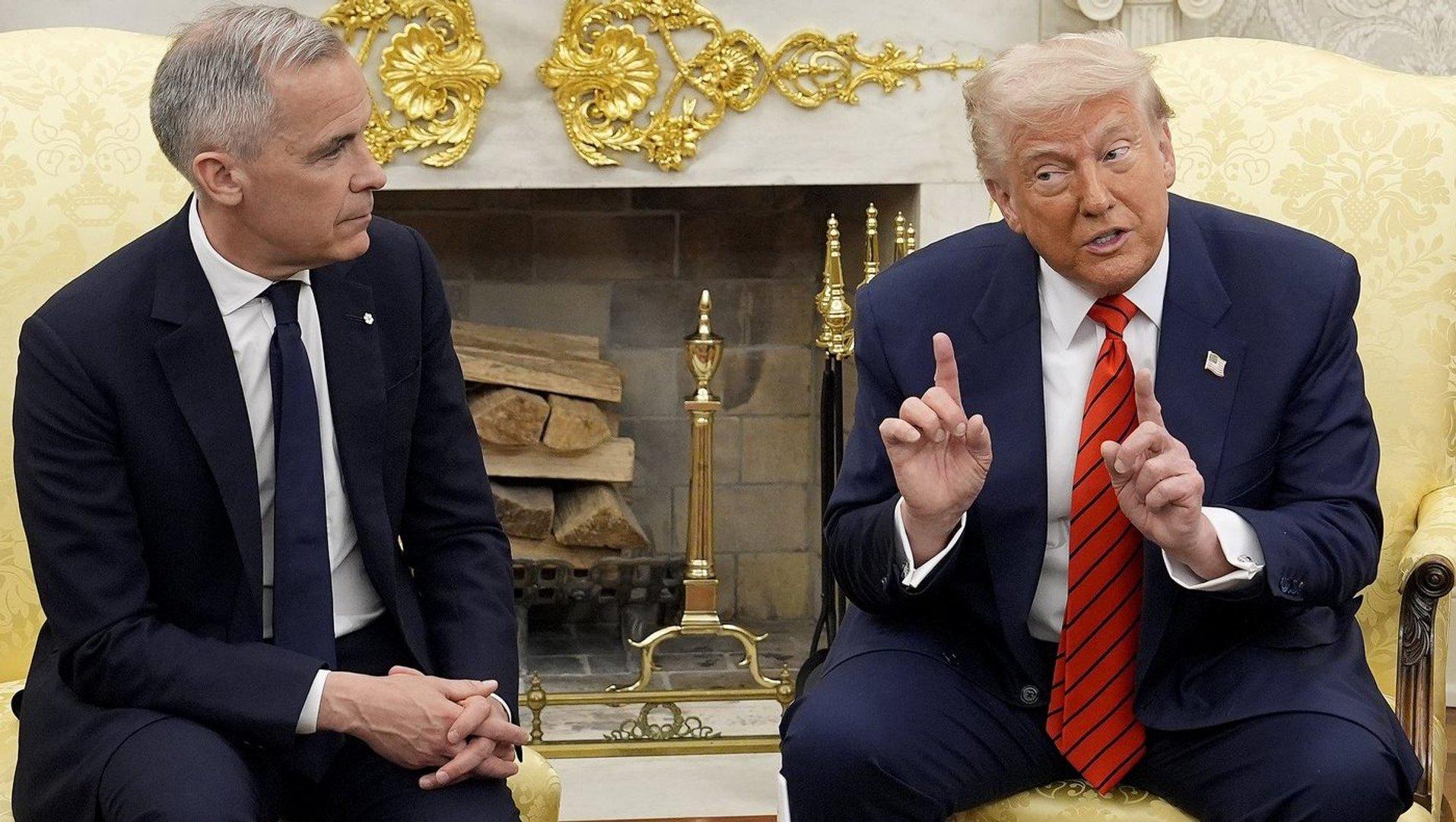
Energy provides perhaps the clearest example. Canadian oil moves south into American refineries, while electricity crosses the border to power homes and businesses. Disrupting these flows could create costs for American consumers as well as Canadian exporters.
Tariffs therefore risk becoming a form of economic self-inflicted pressure. Companies facing higher import costs may pass those expenses to customers, while uncertainty can discourage investment and force businesses to reconsider supply chains that took decades to establish.
For Canada, however, the stakes extend beyond economics. The dispute has increasingly become a question of national identity and sovereignty, particularly when political statements from Washington appear to challenge assumptions about the durability of the bilateral relationship.

Leave a Reply